AGE 2025 Early Career Scholar AwardeesIn Alphabetical Order
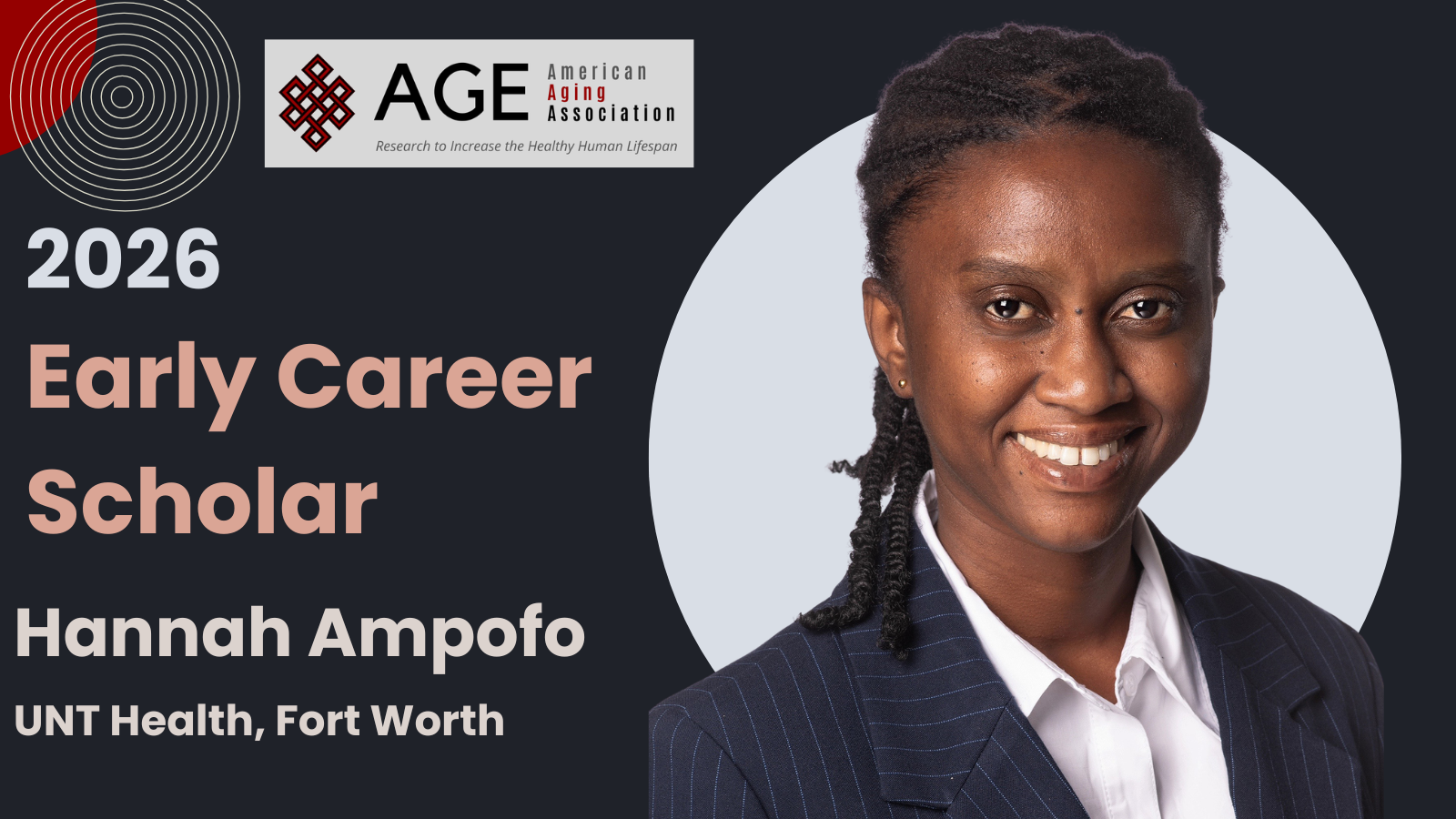
Hannah Ampofo My research focuses on the development and progression of white matter hyperintensities (WMH) following stroke and chronic cerebral hypoperfusion. I am particularly interested in how WMH relate to cognitive impairment and age-related neurological decline. Understanding these relationships may reveal critical targets for interventions to preserve cognitive function after stroke and improve the quality of life for older adults.
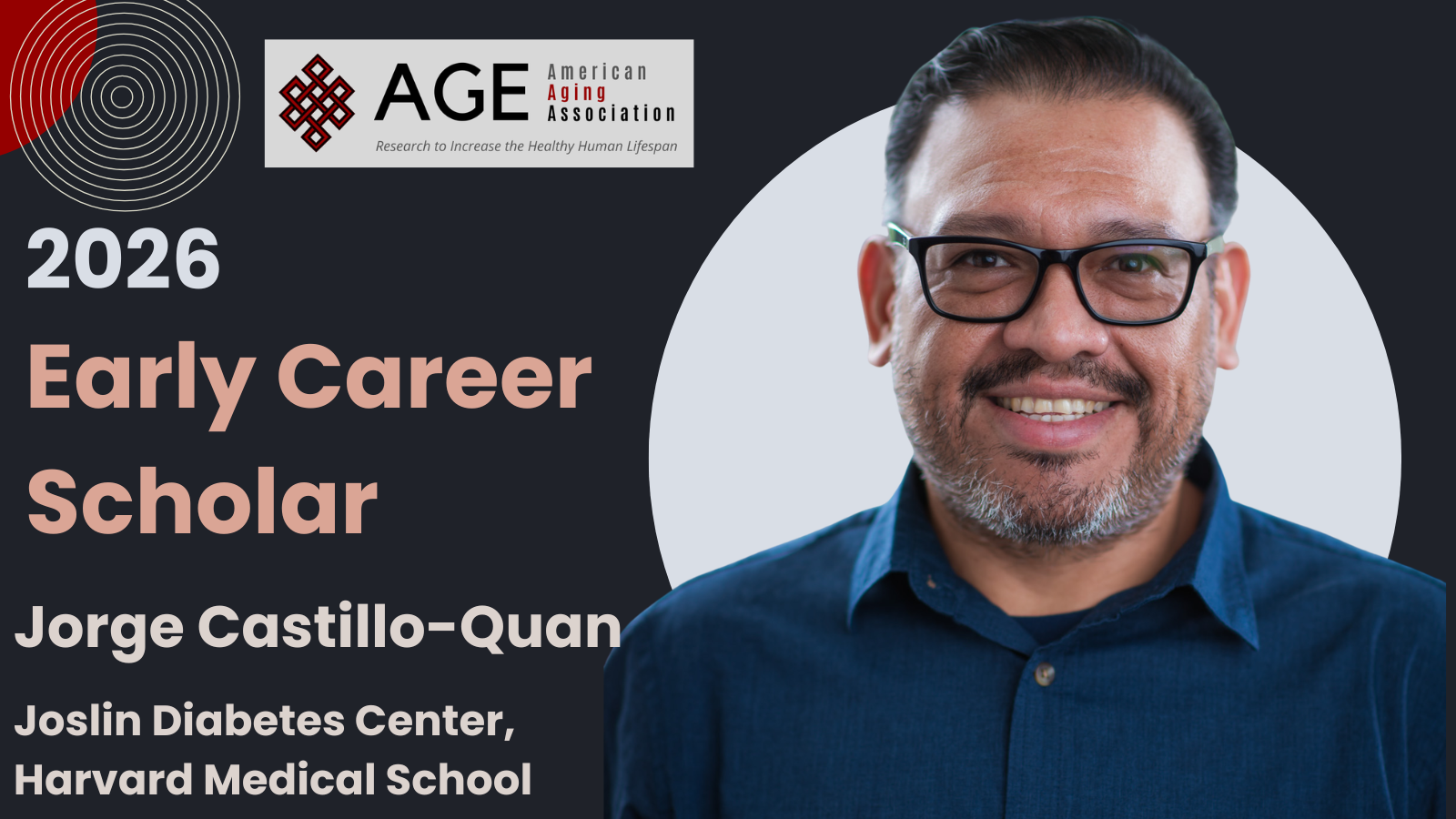
My research investigates how lipid metabolism, redox balance, and protein homeostasis (proteostasis) intersect at the endoplasmic reticulum (ER) to maintain cellular resilience during aging. I focus on the conserved transcription factor SKN-1A/Nrf1, which coordinates lipid, redox, and proteostatic stress responses across species. Using C. elegans genetics and mammalian cell models, I combine molecular, imaging, and multi-omics approaches to define ER-centered mechanisms that couple metabolic adaptation to longevity.
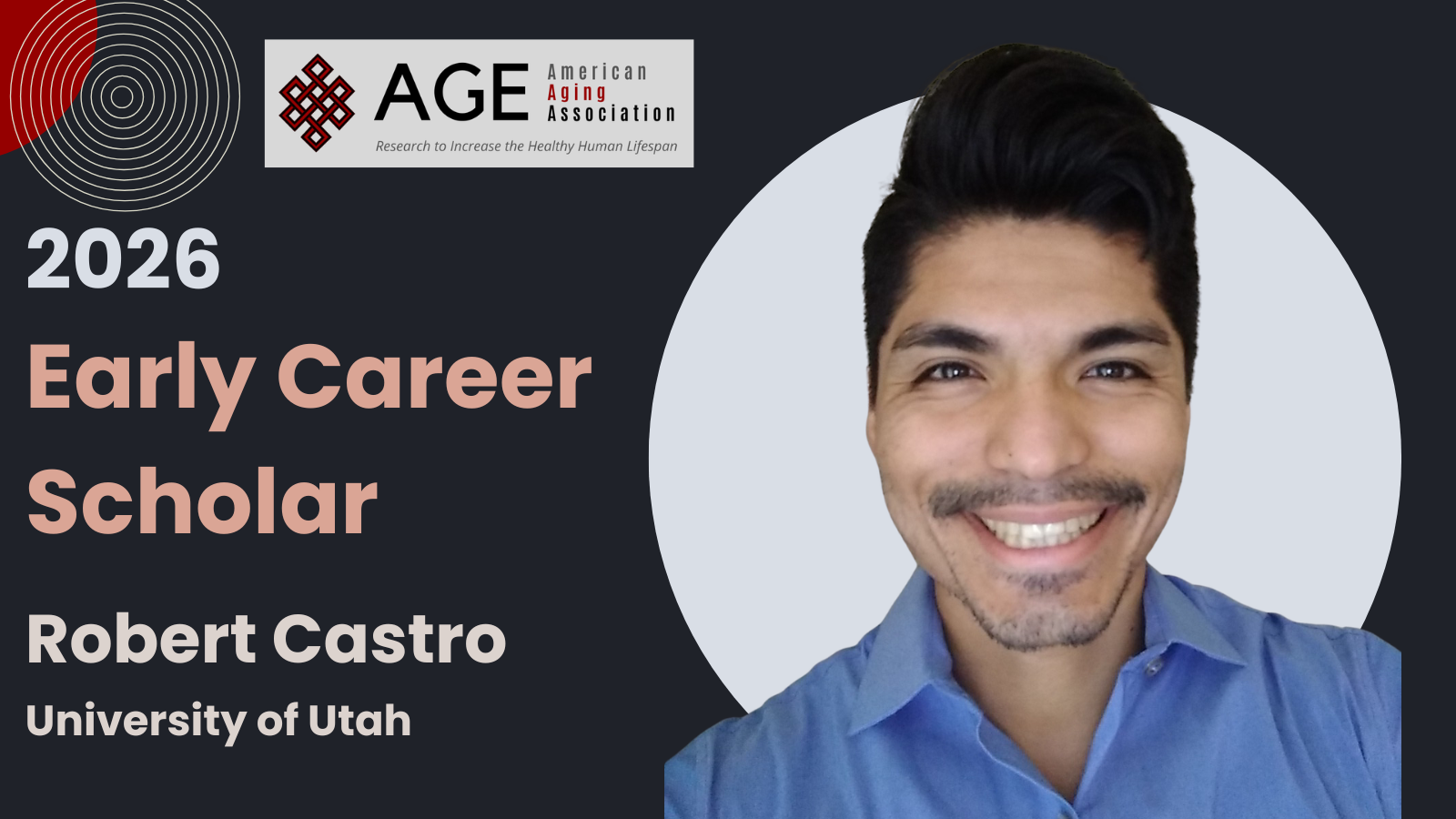
My research focuses on how omega-3 polyunsaturated fatty acids regulate skeletal muscle health through modulation of immune cell function, specifically macrophages. I investigate how omega-3 derived lipid mediators (specialized pro resolving mediators; resolvins, maresins, protectins) influence macrophage phenotype and activity in the context of aging, disuse atrophy, and muscle recovery. My work aims to determine whether omega-3 mediated changes in macrophage biology can preserve muscle mass and enhance recovery following muscle stress (e.g., disuse or injury). Ultimately, this research seeks to identify mechanistic targets to prevent or attenuate muscle atrophy in aging and disease.
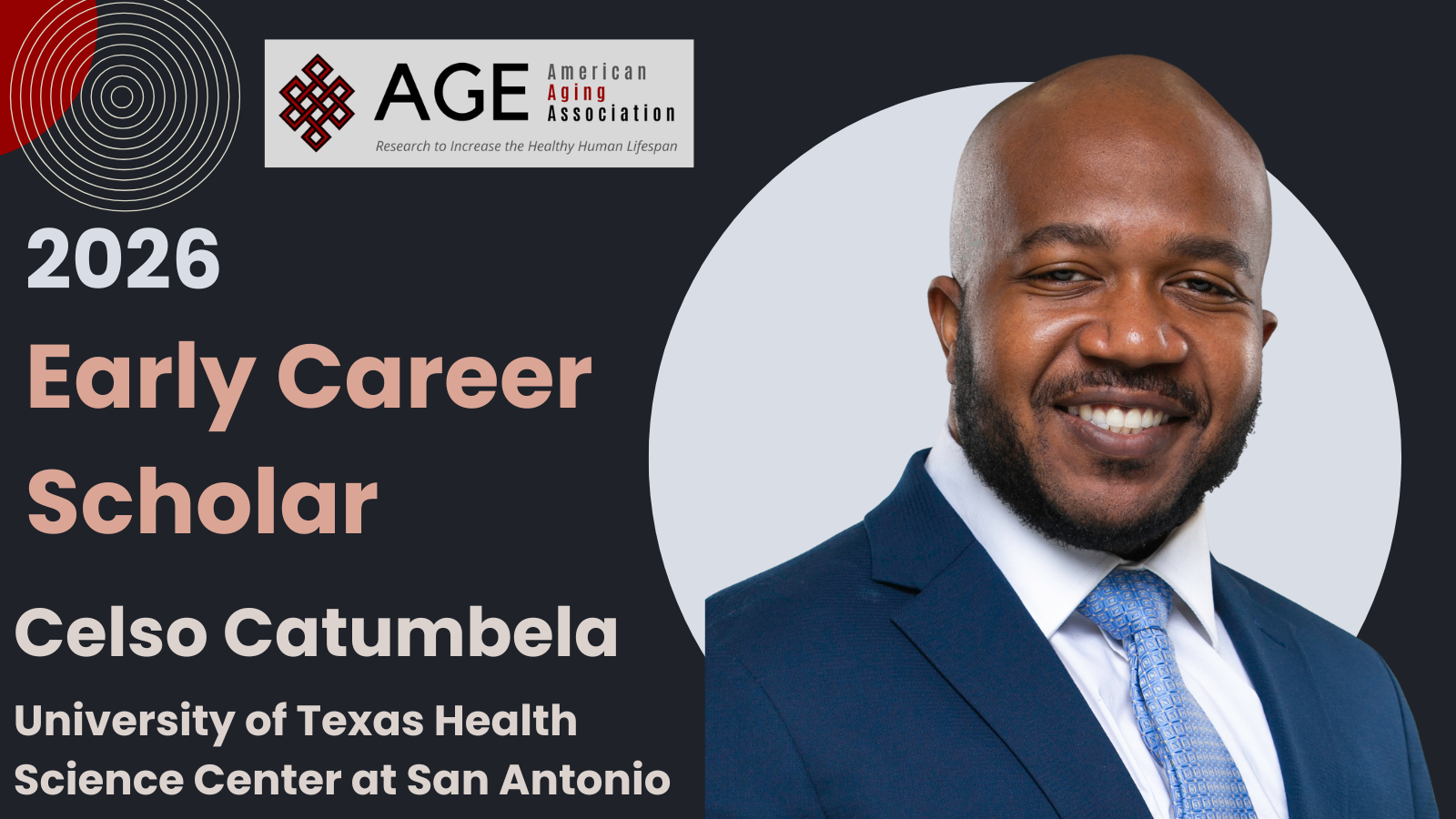
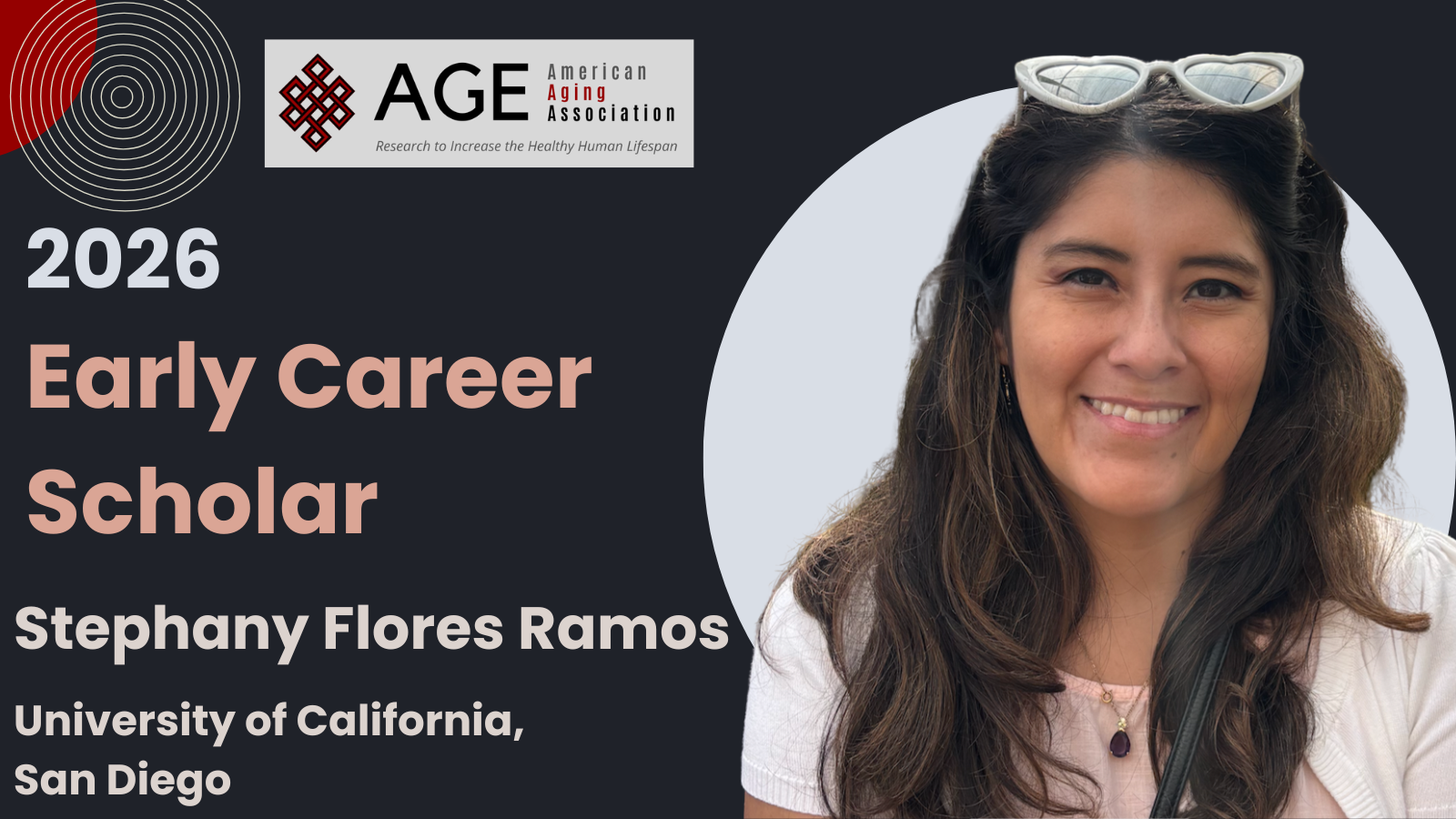
I am a postdoctoral trainee of Dr. Sarah Hopp at the UT Health Science Center at San Antonio (Texas, USA). My work focuses on tau protein fibrils, which are aggregates characteristic of normal aging brains but whose aberrant accumulation is a hallmark of many elderly-biased neurological disorders. Specifically, I aim to delineate sex- and brain region-specific modulators of microglial responses to tau aggregates, in context of aging and age-related abnormalities.
My research focuses on understanding how quality of life and function can be maintained as people age. Most recently, this has consisted of examining muscle changes in men receiving androgen deprivation therapy (ADT) for prostate cancer, a condition for which age is one of the most important risk factors. By studying this clinical population as a potential model for accelerated ageing, my work aims to generate insights into muscle changes in both age-related diseases and healthy ageing.
My research focuses on how genetics influence the development and consequences of cellular senescence—an inflammatory, non-dividing cell state that contributes to aging and age-related disease. Using genetically diverse mouse models and circadian biology frameworks, I study when and why senescent cells emerge and how they respond to senolytic therapies like fisetin. My work aims to advance personalized approaches for targeting senescent cells and improving late‑life health.
I am interested in understanding how healthy aging differs from pathological aging, and how their molecular pathways intersect in a tissue-specific manner. I am more specifically looking at looking if senescence can be a driver of aging in post-mitotic tissues such as the brain and spinal cord, and if targeting these senescence pathways can ameliorate non-pathological age-related decline of tissue function.
My research interest lies in understanding mechanisms that drive ovarian aging, which has negative consequences for fertility, endocrine function, and overall female health. I am currently using mouse and stem cell models to investigate the functions of two genes implicated in age at natural menopause by human genetics studies, with the goal of informing therapeutic strategies to extend reproductive function and systemic healthspan in aging women.
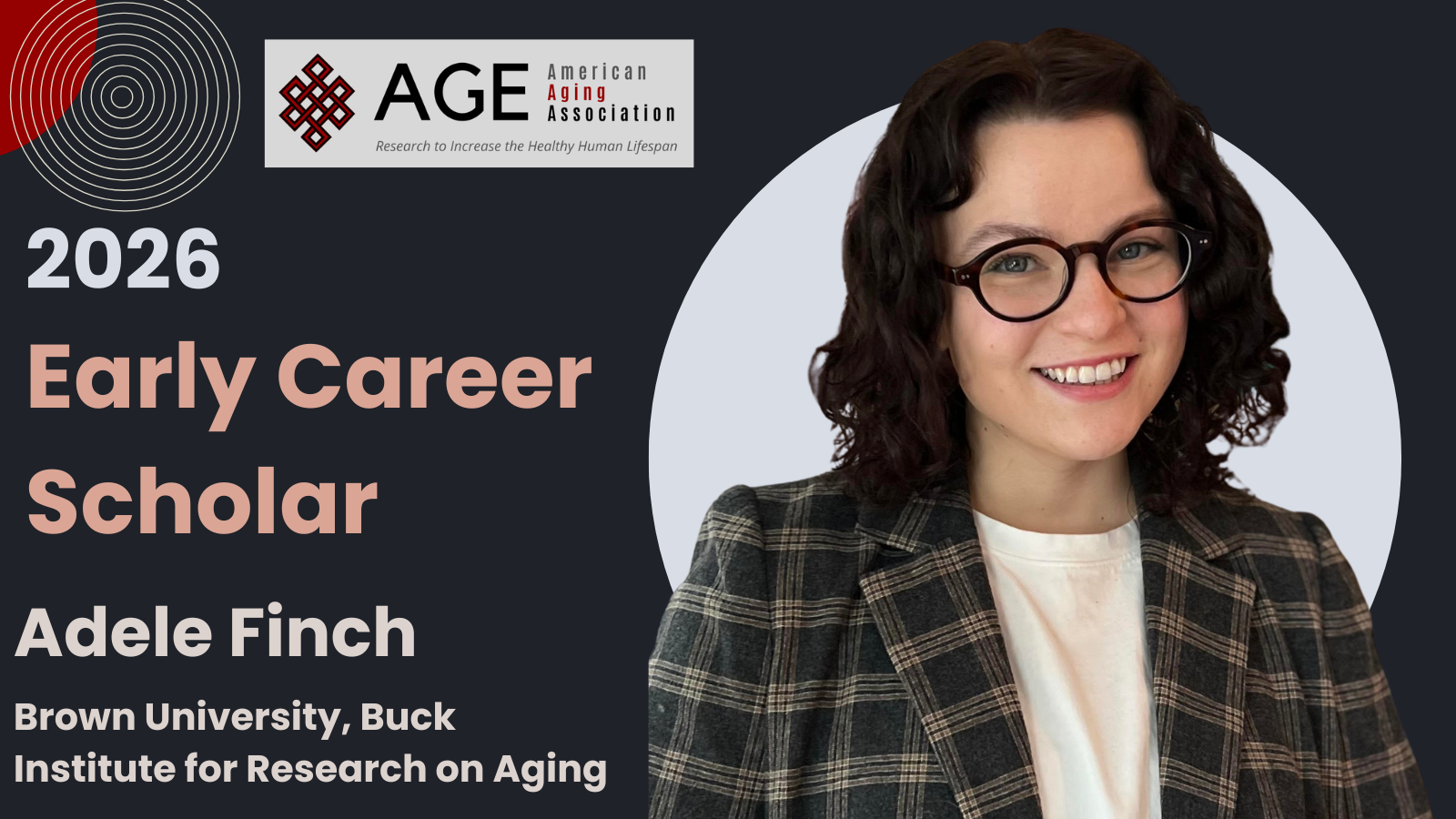
Adele Finch is a Neuroscience PhD candidate at Brown University studying the cellular and molecular mechanisms of brain aging. Her work aims to identify molecular targets that promote hippocampal neurogenesis and mitigate age-associated cognitive decline. She is especially interested in how mitochondrial quality control through mitophagy influences neural stem cell function in the aging brain.
My research aims to identify microbiome- and metabolite-based biomarkers that reflect how daily biological rhythms influence aging-related metabolic and cognitive health disorders. Using multi-omics data from human cohorts, complemented by translational mouse studies, I study how dietary timing and microbial functions shape risk for age-associated diseases, including cancer and neurodegeneration. My goal is to inform microbiome-based strategies that promote healthy aging.
The functional decline of endothelium exacerbates aging-related organ dysfunction. My current work aims to uncover how molecular machinery in the nucleus of endothelial cells changes with age, how this change influences other organelles, and whether transcellular trafficking between blood and tissue is impaired. To study the aging endothelial nucleus, I use in vivo methods in addition to novel methodologies I've developed in which I grow vessels from young and aged iPSC-derived endothelial cells, as well as ex vivo grown vessels from endothelium isolated from young and aged mice.
I am broadly interested in studying the molecular mechanisms of brain aging and age-related disease. In the Hart Lab at Brown, my research is focused on identifying genetic modifiers of neurodegenerative disease using C. elegans. We are particularly interested in how mechanisms may be shared across multiple diseases, like ALS and FTD, which share causal genes and pathology.
In the Camell lab, my research focuses on understanding how macrophages become dysfunctional and contribute to age-related inflammation. Specifically, I investigate how aged adipose tissue microenvironment modulates chromatin accessibility in macrophages, leading to elevated inflammatory responses. The ultimate goal of my work is to identify targetable molecular mechanisms to mitigate inflammaging and, by extension, age-related diseases.
Aging is characterized by perturbations in protein/amino acid metabolism and a decline in cognition and function. My research investigates disturbances in protein and amino acid metabolism that might precede the onset of functional and cognitive decline in older adults with different stages of frailty, using stable isotope tracers. In addition, our ongoing study measures anabolic response to acute protein feeding to understand the mechanisms underlying previously observed metabolic disturbance and protein loss in older adults with frailty. This research will provide evidence-based targeted personal nutrition that will prevent or ameliorate the muscle loss in the older population.
I investigate the molecular drivers of extreme human longevity using single-cell multiomics (scRNA+scATAC). By profiling centenarians and their offspring, I map cell-type–specific regulatory networks in the immune system to uncover how chromatin accessibility landscapes repress age-related decline and promote extended healthspan.
Amara Martin My research investigates how genetic diversity shapes brain resilience and healthy aging. Using genetically diverse mouse populations, I integrate longitudinal behavioral and physiological measures with multi-omic profiling to identify molecular pathways that govern frailty and cognitive decline. Ultimately, this work aims to uncover mechanisms of resilience and biomarkers that can be targeted to extend healthspan.
My research investigates mitochondrial dysfunction as a key driver of senescence-associated secretory phenotype (SASP), a pro-inflammatory secretome that contributes to aging. Specifically, I study how mitochondrial metabolism, through the production of citrate and acetyl-CoA, regulates epigenetic mechanisms, including histone acetylation, that control SASP gene expression. By elucidating the crosstalk between mitochondrial metabolism and epigenetic regulation in senescent cells, my work aims to identify therapeutic targets to mitigate the detrimental effects of senescent cells during aging.
Aging is characterized by a progressive decline in cellular function, regenerative capacity, and metabolic efficiency, ultimately leading to tissue dysfunction and age-related diseases. My research focuses on identifying therapeutic interventions that improve the quality of aging, using hair graying as a model of tissue regeneration. By understanding the molecular mechanisms driving hair graying, one of the most obvious and inevitable signs of aging, I aim to gain broader insights into the biology of aging and identify effective anti-aging therapeutics.
My research interests are the following:
Originally trained in cellular aging and senescence, I’m now aiming to understand aging at the tissue level by studying the extracellular matrix (ECM). I use native decellularised tissues and functional reconstitution assays to dissect how the ECM drives or constrains cellular rejuvenation.
My research integrates statistical genetics with single-cell multi-omics to unravel the complex epigenetic regulatory landscapes of aging and age-related diseases. By combining GWAS-based fine-mapping with scRNA-seq and scATAC-seq data, I aim to identify key cis-regulatory elements and gene networks that drive cellular senescence. Ultimately, my work seeks to bridge the gap between genetic variants and epigenetic alterations to uncover novel therapeutic targets for promoting healthy aging.
My research focuses on understanding why individuals age at different rates and whether aging itself can be biologically reprogrammed. By integrating multi-omic aging signatures with immune resilience mechanisms linked to healthy longevity, I investigate how the immune system shapes brain and systemic aging trajectories. Ultimately, my goal is to identify interventions that enhance resilience, preserve cognitive function, and promote healthy longevity.
My name is Michaela Vance. I am a fourth-year PhD candidate in Cell Biology at the University of Oklahoma Health Campus in Dr. Shannon Conley’s lab. Our lab investigates the cellular mechanisms underlying age-related vascular fragility in the brain and its contribution to cognitive decline. My project specifically examines how endothelial-to-mesenchymal transition, a cellular transdifferentiation process, becomes more prevalent with aging and exacerbates vascular fragility.
My research examines how aging-related remodeling of the bone marrow microenvironment alters hematopoietic stem and progenitor cell (HSPC) function, with a particular focus on extracellular matrix composition, stromal-derived CCN2, and oxygen signaling. I investigate how these niche-derived cues influence cord blood-derived HSPC lineage potential, regenerative fitness, and sensitivity to extra-physiologic oxygen exposure during ex vivo processing. Ultimately, I aim to develop microenvironment-guided strategies that preserve graft potency and improve transplant outcomes specifically for older adults.
I am deeply drawn to unraveling the complex biology of the aging brain, especially the ways in which molecular mechanisms scale into systems‑level vulnerability in neurodegenerative disease. I am particularly compelled by the phenomenon of cognitive resilience and by the molecular, cellular, and circuit‑level processes that allow some individuals to maintain function despite substantial pathology. My work is driven by a commitment to translationally interventional research, pharmacological or procedural, that both advances our understanding of the aging brain and ultimately restores agency and function for patients facing chronically disabling neurological disease.
My research focuses on understanding how age-related disruptions in systemic and tissue- specific biology translate into functional decline and adverse health outcomes in older adults. In particular, I am interested in age-associated physiological perturbations and their effects on independence and resilience in older adults. One major focus of my research is on age-related dysregulation of iron homeostasis in skeletal muscle and its consequences for physical function and mobility. Using well-characterized cohorts with detailed muscle phenotyping, I investigate how excess tissue iron and related metabolic stressors contribute to impaired muscle performance, functional decline, and loss of mobility in older adults. This work aims to define iron-driven mechanisms that underlie heterogeneity in physical function with aging and to identify biologically informed targets for preserving mobility and independence. In addition to my major branch of research on iron in aging, my research also examines physiological determinants of long-term physical and cognitive outcomes in older adults who survive sepsis and other critical illnesses. In this work, I study circulating biomarkers and innate immune responses, including macrophage activation states, during the acute phase of sepsis initiation, and examine how these early signals are associated with subsequent physical and cognitive trajectories in older survivors. Together, these research directions seek to elucidate how chronic age-related physiological dysregulation and acute systemic stress converge to determine resilience, recovery, and long-term functional outcomes in later life.
|